Why Vector Illustration for Education Is the Smart Choice for Modern Learning Materials
If you have ever tried to resize a blurry JPEG for a presentation slide or watched your print budget explode because an image looked pixelated on paper, you know the frustration of working with raster graphics. This is where Vector Illustration for Education changes the game. Unlike standard photos that lose quality when stretched, vector graphics are built on mathematical paths. This means they remain crisp, clean, and professional whether they are displayed on a tiny smartphone screen or printed on a massive classroom banner.
For educators, instructional designers, and content creators, this isn’t just a technical detail; it is a practical solution to everyday workflow problems. When you integrate high-quality vector assets into your projects, you gain flexibility that static images simply cannot offer. You can recolor elements to match your brand, isolate specific icons for bullet points, and ensure your materials look polished across every device and medium.
Bridging the Gap Between Physical and Digital Classrooms
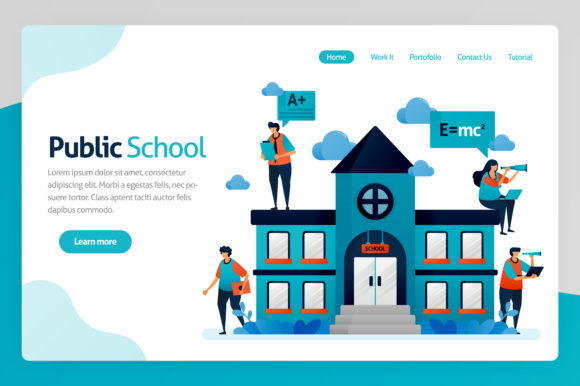
The modern educational landscape is hybrid by nature. We are no longer confined to chalkboards and textbooks. Today’s learning environments blend public school buildings and workplace settings with robust digital infrastructures. A single educational campaign might need to function as a hallway poster, a slide in a corporate training deck, and a thumbnail for an online course.
Using vector illustrations allows you to maintain visual consistency across these disparate channels. Imagine you are designing a safety protocol guide. With a vector file, you can use the same icon set for the printed handbook distributed in the office and the interactive modules hosted on your e-learning training platform. The lines stay sharp, and the colors remain vibrant, reinforcing brand recognition and aiding cognitive retention for learners who see the same visual cues in different contexts.
Enhancing Online Education and Scholarship Programs
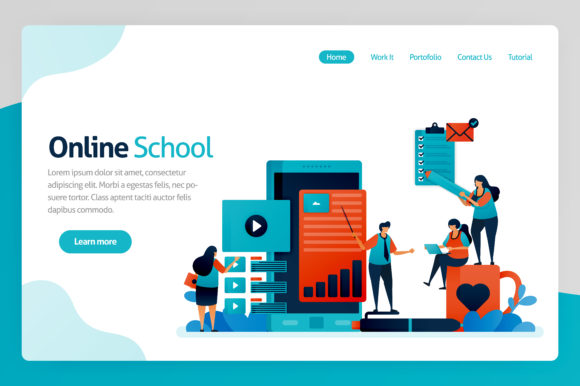
Digital-first initiatives, such as online education scholarship applications and virtual workshops, rely heavily on clear, engaging visuals to communicate value quickly. Web pages loaded with heavy, high-resolution photographs can slow down load times, leading to higher bounce rates. Vector graphics, particularly when optimized as SVGs for web use, are lightweight and scalable.
Consider a landing page promoting a new scholarship opportunity. You want to convey trust, ambition, and accessibility. A well-crafted vector scene depicting diverse students collaborating can evoke these emotions without the clutter of stock photography. Because vectors are editable, you can easily swap out characters or adjust backgrounds to reflect specific demographics or themes relevant to the scholarship criteria. This level of customization helps create a more inclusive and targeted user experience, which is crucial for conversion.
Practical Use Cases for Different Creators
The versatility of vector art makes it valuable for a wide range of professionals. Here is how different users can leverage these resources in real-world scenarios:
- Educators and Teachers: Create custom worksheets, flashcards, and classroom decorations. You can change the color of a diagram to highlight specific parts during a lesson without needing advanced design skills.
- Instructional Designers: Build cohesive e-learning modules. Vectors allow for easy animation in tools like PowerPoint or Articulate, making complex processes easier to understand through motion.
- Marketers and Bloggers: Develop unique featured images and infographics. Instead of using generic stock photos that everyone else has seen, you can assemble vector elements to create original visuals that align perfectly with your article’s tone.
- Small Business Owners: Design training manuals and onboarding materials. Consistent iconography helps new employees navigate internal documents more efficiently.
What to Look for in Quality Educational Assets
Not all vector files are created equal. When sourcing Vector Illustration for Education, there are specific technical and aesthetic factors you should consider to ensure you get the most value from your purchase or download.
First, check the file formats. A professional package should include both JPG and editable EPS 10 files. The JPGs are useful for quick previews or simple web uploads where editing isn’t required. However, the EPS 10 format is the workhorse for designers. It is compatible with most major design software, including older versions of Adobe Illustrator, ensuring that you can open and edit the layers regardless of your tech stack. Editable EPS files allow you to ungroup elements, change strokes, and modify shapes, giving you full creative control.
Second, evaluate the style consistency. If you are building a comprehensive course or a series of blog posts, you need illustrations that share the same line weight, color palette, and perspective. Mixing disjointed styles can confuse learners and make your materials look amateurish. Look for collections or artists who offer cohesive sets rather than one-off images.
Modern Learning Requires Modern Visuals
We are moving away from dense, text-heavy instruction toward modern learning approaches that prioritize visual literacy and quick comprehension. Students and professionals alike scan content before they read it. Strong visuals act as anchors, guiding the eye and breaking up information into digestible chunks.
Vector illustrations support this by providing clear, simplified representations of complex ideas. Whether it is a flowchart explaining a business process or a character-based scenario demonstrating soft skills, vectors strip away unnecessary noise. This clarity is essential for effective communication, especially in global teams or classrooms where language barriers may exist. Universal symbols and clean designs transcend language, making your educational content more accessible to a broader audience.
Making the Right Choice for Your Project
Before you commit to a specific style or provider, think about your end goal. Are you creating a one-time flyer, or are you building a long-term brand asset library? For long-term use, investing in customizable vector packs pays dividends. You can adapt them as your branding evolves or as new topics emerge in your curriculum.
Also, consider the learning curve. If you are not a professional designer, look for vectors that are organized in logical layers. Well-structured files save hours of frustration. Many providers now offer templates that are nearly drag-and-drop ready, allowing non-designers to produce professional-looking results with minimal effort.
In conclusion, integrating Vector Illustration for Education into your workflow is not just about aesthetics; it is about efficiency, clarity, and adaptability. Whether you are enhancing an e-learning training platform, designing materials for public school buildings and workplace training, or promoting an online education scholarship, vector graphics provide the flexibility needed to meet the demands of modern communication. By choosing high-quality, editable assets, you empower yourself to create content that is not only visually appealing but also functionally superior across all mediums.