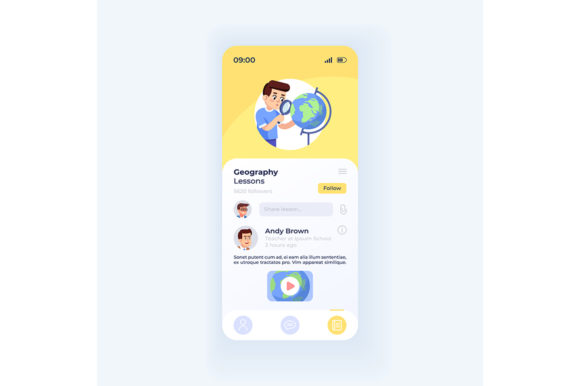
Designing Modern Education App Interfaces
In the rapidly evolving landscape of digital learning, the visual and functional quality of an application can determine its success just as much as the curriculum itself. An Internet Education Application Interface serves as the bridge between complex educational content and the learner’s experience. For designers, educators, and entrepreneurs, understanding the nuances of this interface is not merely about aesthetics; it is about creating an environment where learning feels intuitive, accessible, and engaging. When we examine a high-quality Internet education application smartphone interface vector template, we are looking at more than just graphics. We are observing a blueprint for user retention and educational efficacy.
The Power of Clarity in Mobile Learning
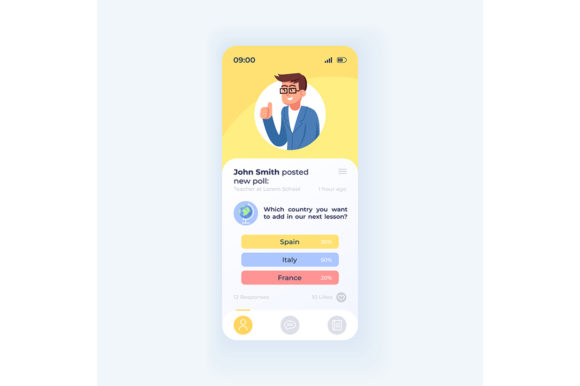
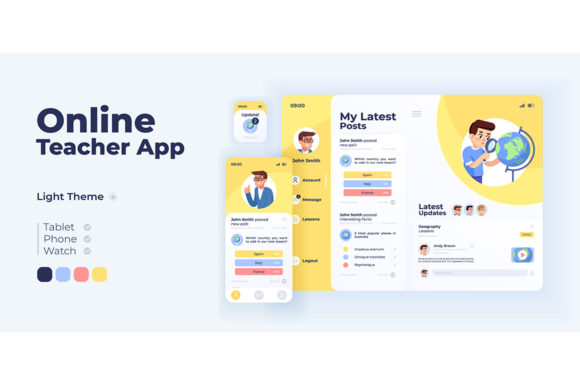
Mobile devices have become the primary gateway to knowledge for millions of adults and students alike. However, screen real estate is limited, and attention spans are short. This is where a well-structured Mobile app page light theme design layout becomes essential. Light themes are not just a stylistic choice; they offer superior readability in well-lit environments, such as classrooms, offices, or outdoor settings. By reducing eye strain during prolonged study sessions, a light theme supports longer engagement times.
Consider the Lessons list screen. This is often the first point of interaction after a user logs in. If this screen is cluttered or confusing, users may feel overwhelmed before they even begin. A clean, organized list allows learners to quickly identify their next steps, track progress, and manage their time effectively. For professionals balancing work and upskilling, this efficiency is invaluable. They do not have time to navigate through labyrinthine menus. They need immediate access to content. A flat UI approach simplifies this by removing unnecessary shadows, gradients, and textures that can distract from the core information.
Flat UI: Functionality Over Flourish
The adoption of Flat UI for application design is driven by a desire for speed and clarity. In an educational context, cognitive load is a critical factor. Every decorative element that does not serve a functional purpose adds to the mental effort required to process information. Flat design strips away these distractions, focusing the user’s attention on the content itself. Buttons are clearly defined, typography is legible, and color is used strategically to highlight important actions or status updates.
For developers and designers, working with a vector template that adheres to flat design principles accelerates the production process. It ensures consistency across different screens and devices. When the visual language is uniform, users can predict how the application will behave, reducing the learning curve associated with the tool itself. This predictability fosters confidence, encouraging users to explore more features and engage more deeply with the material.
Humanizing the Digital Classroom
One of the most challenging aspects of online education is the lack of personal connection. Students often feel isolated when learning remotely. A thoughtful interface can mitigate this feeling by highlighting the human element. The Online teacher page on phone display is a crucial component in this regard. This screen should not just list credentials; it should present the instructor as an approachable guide. Including a clear photo, a brief bio, and perhaps links to previous student reviews or sample videos can create a sense of trust and rapport.
When designing this page, consider the hierarchy of information. The teacher’s name and expertise should be prominent, but so should the means of communication. Can students ask questions? Is there a schedule for live sessions? These details, presented clearly within the mobile interface, transform a static profile into a dynamic point of contact. For educators, this means their personality and teaching style can shine through even before a single lesson is delivered. For students, it provides reassurance that there is a supportive presence behind the screen.
Practical Benefits for Creators and Businesses
Why should marketers, small business owners, or freelance designers care about these specific design elements? The answer lies in conversion and retention. An application that is difficult to use will see high churn rates. Conversely, an app that is intuitive and visually appealing encourages regular use. For entrepreneurs launching an e-learning platform, investing in a professional Internet Education Application Interface is a strategic move. It signals quality and professionalism, distinguishing their offering from competitors who may have neglected the user experience.
Moreover, using a pre-designed template can significantly reduce development time and costs. Instead of starting from scratch, teams can customize existing structures to fit their brand identity. This allows them to launch faster and iterate based on user feedback. The flexibility of vector files means that elements can be resized without loss of quality, ensuring the app looks sharp on everything from older smartphones to the latest high-resolution tablets.
Technical Considerations and File Formats
When sourcing design assets, the format matters. A ZIP file contains EPS, JPG formats, offering versatility for different stages of the design process. EPS (Encapsulated PostScript) files are vector-based, meaning they can be scaled infinitely without pixelation. This is ideal for icons, logos, and layout structures that need to adapt to various screen sizes. Designers can modify colors, shapes, and text directly in software like Adobe Illustrator, ensuring the final product aligns perfectly with brand guidelines.
JPG files, on the other hand, are raster images suitable for previews, presentations, or quick references. They allow stakeholders to visualize the final look without needing specialized design software. This dual-format approach facilitates better collaboration between designers, developers, and clients. It ensures that everyone involved in the project has access to the right tools for their specific role, streamlining the workflow and minimizing misunderstandings.
Who Benefits Most from This Approach?
While the primary users are students, the beneficiaries of a well-designed interface extend far beyond them. Educators find it easier to deliver content when the platform supports their pedagogical goals. Administrators spend less time troubleshooting technical issues and more time focusing on curriculum improvement. Marketers can leverage the sleek design in their promotional materials, using screenshots of the Lessons list screen or the Online teacher page to demonstrate ease of use.
Freelancers and hobbyists creating niche courses also benefit. They may not have large budgets for custom development, but they can still achieve a professional look by leveraging high-quality templates. This democratizes access to high-standard design, allowing smaller creators to compete with larger institutions. It empowers individuals to share their knowledge effectively, knowing that the presentation of their content will not detract from its value.
Making the Right Choice
It is important to recognize that a template is a starting point, not a finished solution. Successful implementation requires customization to fit the specific needs of the target audience. What works for a corporate training module may not suit a creative arts course. Designers must consider the tone, pace, and type of content being delivered. Testing the interface with real users is crucial to identify pain points and areas for improvement.
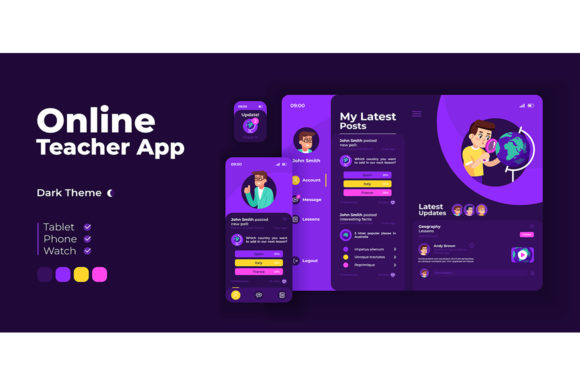
Additionally, accessibility should never be an afterthought. While light themes are popular, providing options for dark mode or high-contrast settings can make the application more inclusive for users with visual impairments. Ensuring that text is scalable and that navigation is possible via screen readers broadens the reach of the educational content. A truly effective Internet Education Application Interface is one that welcomes all learners, regardless of their abilities or preferences.
In conclusion, the design of an educational app is a critical component of the learning experience. By prioritizing clarity, simplicity, and human connection, designers can create interfaces that not only look good but also facilitate meaningful education. Whether you are a developer, educator, or entrepreneur, understanding these principles will help you build products that resonate with users and stand the test of time.