Visualizing the Future: The Power of Artificial Head Gradient Logos in Modern Branding
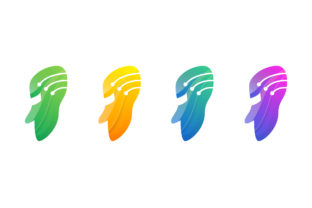
In the rapidly evolving landscape of digital identity, the visual representation of a brand is no longer just about aesthetics; it is a strategic asset that communicates values, capabilities, and vision. Among the myriad of design trends emerging from the tech sector, the Artificial Head Gradient Logo has established itself as a dominant motif. This specific style of vector illustration merges the organic familiarity of the human form with the structured precision of circuitry and electronics, creating a powerful symbol for the intersection of humanity and machine intelligence.
For businesses operating in the realms of artificial intelligence, data science, medical technology, or educational platforms, adopting this type of logotype is more than a stylistic choice. It is a declaration of intent. It signals to stakeholders that the organization is at the forefront of innovation, blending creative thinking with computational power. But what makes this particular design element so effective, and how can it be leveraged across various media types?
The Symbolism Behind the Circuitry and the Mind
At its core, the concept relies on a dual narrative. The human face or head represents consciousness, creativity, empathy, and the "user" side of technology. It grounds the abstract concepts of algorithms and code in something relatable. Conversely, the integration of circuits, grids, and pixelated elements signifies processing power, connectivity, and the digital infrastructure that supports modern life. When these two elements are fused, often through smooth, colorful gradients, they create a visual metaphor for augmented intelligence.
This synthesis is crucial for brands that want to avoid the cold, sterile image often associated with pure hardware or backend software. By incorporating a human element, even if it is stylized or abstract, companies can project warmth and approachability. The gradient effect adds a layer of modernity and dynamism, suggesting fluidity and continuous learning—key attributes in the fields of machine learning and neural networks.
Key Characteristics of Effective Tech Logotypes
- Scalability: As a vector design, the logo must remain crisp whether displayed on a massive billboard or a tiny mobile app icon. The intricate details of the electronic grid need to be balanced so they do not disappear at smaller sizes.
- Color Psychology: The use of vibrant, shifting gradients often involves blues, purples, and cyans. These colors are traditionally associated with trust, wisdom, and technology. However, modern interpretations may introduce warmer tones to highlight creativity and human-centric design.
- Conceptual Clarity: The design should instantly communicate "smart technology." Whether through a visible CPU pattern within the skull area or network nodes connecting like synapses, the imagery must reinforce the idea of concentration and brainpower.
Applications Across Industries
The versatility of the Artificial Head Gradient Logo allows it to transcend specific niches within the broader technology sector. While it is naturally suited for AI startups, its application extends far beyond.
In the medical and health tech industries, this imagery is invaluable. It can represent the fusion of biological science with digital diagnostics. A logo featuring a human profile overlaid with a subtle data grid suggests precision, advanced monitoring, and the promise of better health outcomes through technology. It reassures patients that while the tools are high-tech, the focus remains on the human body and well-being.
Similarly, in education and e-learning, this design language speaks to the development of the mind. Schools, online course platforms, and coding bootcamps can use this iconography to symbolize the expansion of knowledge. It visually represents the process of "downloading" information or upgrading one’s skill set, appealing to students who view education as a pathway to empowerment and smart career choices.
For creative studios and digital agencies, the logo serves as a badge of technical proficiency mixed with artistic flair. It tells potential clients that the agency understands the backend requirements of web development and app design while maintaining a strong focus on user experience and visual appeal. The "creative" aspect is highlighted by the artistic rendering of the gradient, showing that the company values innovation and out-of-the-box thinking.
Integrating Vector Assets into Your Workflow
When selecting a template or commissioning a custom design based on this concept, understanding the technical benefits of vector graphics is essential. Unlike raster images, which are made of pixels and can become blurry when resized, vectors are based on mathematical paths. This means your Artificial Head Gradient Logo can be adapted for any medium without loss of quality.
This flexibility is critical for modern omnichannel marketing strategies. You might need the logo for:
- Digital Interfaces: Website headers, loading screens, and app icons require clean lines and optimized file sizes. Vector SVGs are perfect for this, ensuring fast load times and sharp display on high-resolution retina screens.
- Print Materials: Business cards, brochures, and conference banners demand high-resolution output. A vector file ensures that the fine details of the circuit board patterns remain distinct and professional, avoiding the jagged edges that plague low-quality prints.
- Motion Graphics: Many brands now use animated logos in video intros. Vector files are easily imported into animation software, allowing designers to animate the gradient flows or light up the circuit paths, adding a dynamic layer to the brand identity.
Considerations for Customization
While templates provide a cost-effective starting point, customization is key to standing out in a crowded market. Consider adjusting the density of the grid. A denser grid might suggest complex data processing and heavy computation, suitable for cybersecurity or big data firms. A sparser, more open grid might imply accessibility and ease of use, better for consumer-facing apps or educational tools.
Furthermore, the orientation of the face matters. A forward-facing head suggests direct engagement and transparency. A profile view often conveys forward-thinking and vision, looking toward the future. Aligning these subtle cues with your brand’s mission statement can enhance the overall coherence of your visual identity.
The Role of Abstract Design in Building Trust
Trust is the currency of the digital age. Consumers are increasingly wary of opaque algorithms and data misuse. An abstract yet recognizable human element in a logo can help bridge this gap. It serves as a reminder that behind every line of code and every server farm, there is human intention and oversight.
The Artificial Head Gradient Logo acts as a conceptual sign that balances the "black box" nature of AI with the need for human accountability. It suggests that technology is a tool for enhancement, not replacement. This nuanced message is particularly important in sectors like finance tech (fintech) and legal tech, where the stakes are high, and the need for reliable, smart, and ethical solutions is paramount.
By choosing a design that harmoniously blends the organic curves of the human face with the rigid geometry of electronic components, brands can communicate a sophisticated understanding of their role in the ecosystem. They are not just selling software; they are offering a partnership between human potential and digital power.
Final Thoughts on Implementation
Implementing this style requires a keen eye for balance. The gradient should not overwhelm the structure, nor should the circuitry obscure the humanity of the figure. It is a delicate dance between art and engineering. When executed correctly, however, the result is a striking, memorable, and deeply meaningful brand asset.
As we move further into an era defined by smart devices, interconnected systems, and intelligent algorithms, the visual language of our brands must evolve to reflect this reality. The Artificial Head Gradient Logo is not merely a trend; it is a reflection of our current technological zeitgeist. It captures the essence of what it means to be human in a digital world—connected, enhanced, and constantly learning. For any business looking to establish authority in the tech space, investing in this type of thoughtful, vector-based design is a strategic move that pays dividends in recognition, trust, and professional credibility.