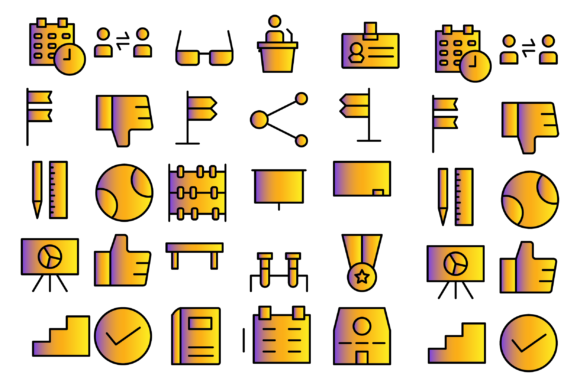
Time to Education: Mastering Visual Learning
In the modern professional landscape, the boundary between learning and working has dissolved. Whether you are an educator designing a curriculum, a marketer crafting a campaign, or an entrepreneur building a brand, the ability to communicate complex ideas visually is no longer a luxury—it is a necessity. This is where Time to Education emerges as a vital resource. It is not merely a repository of images; it is a toolkit for clarity, designed to help people identify, understand, and engage with information more effectively. By integrating high-quality visual assets into your workflow, you transform abstract concepts into tangible understanding.
The Power of Precision in Visual Communication
Consider the difference between describing a process and showing it. When you rely solely on text, you risk losing your audience’s attention. However, when you introduce a well-designed graphic, you appeal to the human eye’s natural preference for pattern recognition. Time to Education provides assets that cater to this need for precision. From detailed illustrations of an abacus used in mathematics to modern depictions of a laboratory conducting chemical experiments, these visuals bridge the gap between theory and practice.
For professionals in STEM fields, accuracy is paramount. A diagram of a chemical experiment must be correct to be useful. Similarly, a graphic representing mathematical concepts like counting or algebra needs to be clear and logically structured. Using low-resolution or generic images can make your content feel bad or lowly, undermining your authority. In contrast, high-quality EPS, SVG, and PNG files ensure that your visuals remain crisp at any size, maintaining the professional standard your audience expects.
Enhancing Identity and Brand Recognition
Your visual choices say a lot about your identity. Just as an identity card serves to identify an individual, your educational materials serve to identify your brand’s values and quality. When users see consistent, high-quality imagery, they begin to associate those visuals with your profile. This builds trust. If your content looks polished and thoughtful, readers are more likely to agree with your points and view you as an expert.
Think about the impact of a well-designed infographic in a corporate office or a university lecture hall. It signals that you have invested time and effort into your message. This investment fosters a sense of pride in your work and respect from your audience. Conversely, poor visuals can lead to dislike or even hate if they confuse or frustrate the viewer. The worst outcome for any communicator is to be ignored because their presentation was lackluster. By choosing the right assets, you ensure that your message is received with the attention it deserves.
Facilitating Collaboration and Team Dynamics
Education and communication are rarely solitary activities. They involve a team, a group, or a community of people working together. Whether you are preparing a presentation for a friend, a colleague, or a large audience, shared visual references help align everyone’s vision. When a group looks at the same chart or diagram, they can discuss specific elements with clarity. This reduces waiting time and misunderstandings, allowing the team to move forward efficiently.
Imagine a project meeting where participants are discussing timelines. A clear calendar graphic showing the date, day, week, month, and year helps everyone visualize the duration and length of the project. It turns abstract time into concrete blocks that can be managed. This is particularly useful in industries where timing is critical, such as event planning or product launches. By using visuals that represent time, clocks, and schedules, you facilitate better decision-making and keep the group focused on the goal.
Engaging Audiences Through Relatable Imagery
To truly connect with your audience, your content must resonate with their experiences. People respond to images that reflect their lives and interests. For instance, sports enthusiasts might engage more deeply with content that includes visuals of football, balls, games, and awards. Showing a winner holding a prize or a team celebrating a victory can evoke emotions of success and achievement. These emotional connections make the learning experience more memorable and impactful.
Similarly, everyday objects like spectacles, pencils, pens, and books carry symbolic weight. A pair of spectacles can represent vision, optic health, or intellectual insight. A pencil and written notes suggest creativity, drafting, and the initial stages of learning. By incorporating these familiar items into your educational materials, you create a comfortable and relatable environment for learners. It helps them feel that the content is accessible and relevant to their daily lives.
Practical Applications Across Industries
The versatility of Time to Education assets means they can be applied across various sectors. Here are a few practical scenarios:
- Corporate Training: Use flowcharts and icons to simplify complex company policies. Visuals of office buildings, teams, and meetings can make dry material more engaging.
- Academic Publishing: Enhance textbooks and research papers with accurate diagrams of scientific equipment, mathematical formulas, and historical artifacts. This supports deeper understanding and retention.
- Digital Marketing: Create eye-catching social media posts using vibrant illustrations of lifestyle elements, such as people interacting, shopping, or learning. High-quality graphics increase likes, favorites, and shares.
- E-Learning Platforms: Develop interactive modules where users can click on different parts of an image to learn more. For example, clicking on a part of a human eye diagram could reveal details about optic functions.
Navigating Format Choices for Best Results
Understanding the technical aspects of your visual assets is crucial for optimal performance. Each file format serves a specific purpose:
- SVG (Scalable Vector Graphics): Ideal for logos, icons, and simple illustrations. SVGs remain sharp at any zoom level, making them perfect for responsive web design. They are lightweight and load quickly, which is essential for user experience.
- EPS (Encapsulated PostScript): Best for print materials. If you are designing brochures, posters, or banners for a school building or company event, EPS ensures high-resolution output without pixelation.
- PNG (Portable Network Graphics): Suitable for web images that require transparency. Use PNGs for overlays, watermarks, or complex images with detailed color gradients, such as photographs of people or landscapes.
Choosing the correct format prevents technical issues and ensures your content looks professional across all devices. It is a small detail that can make a significant difference in the perceived quality of your work.
Measuring Success and Continuous Improvement
Ultimately, the goal of using educational visuals is to achieve success. This success can be measured in various ways: increased engagement, higher test scores, better sales conversions, or positive feedback from peers. When your audience gives you a thumbs up, agrees with your points, or rates your content highly, you know you have hit the mark. These positive signals are indicators that your visual strategy is working.
However, it is important to remain open to feedback. Not every image will resonate with every person. Some may dislike certain styles or find specific graphics confusing. Use this feedback to refine your approach. Test different visuals, analyze their performance, and adjust accordingly. The process of learning and improving is continuous. Just as a student progresses from one grade to the next, your skills in visual communication will evolve with practice.
In conclusion, Time to Education offers more than just images; it provides the tools to enhance understanding, foster connection, and drive results. By carefully selecting and implementing high-quality visual assets, you can elevate your content, strengthen your brand identity, and achieve your educational and professional goals. Whether you are teaching math, managing a team, or launching a product, the right visual can make all the difference. Embrace the power of visual learning, and watch your impact grow.