Academic Icon Vector Guide
In the fast-paced world of digital education and institutional branding, clarity is king. A single, well-crafted visual element can communicate complex ideas instantly, bridging the gap between abstract concepts and user understanding. This is where the Academic Icon Vector Male Student Person becomes an indispensable asset for modern designers. It is not merely a decorative graphic; it is a functional tool that enhances visual hierarchy and reinforces brand identity across various platforms.
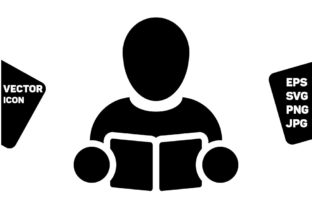
When we discuss this specific type of creative asset, we are referring to a versatile pictogram that represents the core demographic of educational institutions: the learner. Whether used in flat color styles or as a clean glyph, this icon serves as a universal symbol for knowledge, growth, and academic pursuit. Its utility lies in its adaptability. By integrating such icons into your design workflow, you ensure consistency and professionalism in every project, from mobile apps to printed brochures.
The Power of Vector Scalability in Design
One of the primary reasons designers prioritize vector formats like SVG and EPS is scalability. Unlike raster images, vectors maintain crisp edges and perfect clarity at any size. This is crucial for responsive web design and UI design, where an icon might appear as a tiny favicon on a browser tab or as a large hero image on a landing page. Using an Academic icon vector male student person profile avatar with book symbol for school, college and university education in flat color glyph pictogram illustration in a png, svg, eps and jpg files ensures that your visual assets remain sharp and professional regardless of the medium.
This flexibility supports a seamless design workflow. You can start with a vector master file and export to PNG or JPG for specific use cases without losing quality. This efficiency allows creative teams to focus more on composition and less on technical troubleshooting, ultimately leading to higher-quality deliverables.
Strategic Applications in Branding and Marketing
Beyond technical benefits, these icons play a pivotal role in storytelling and brand communication. Here is how you can leverage them effectively across different channels:
- Brand Identity and Logo Design: Incorporating a student silhouette can humanize an educational brand, making it feel approachable and student-centered.
- Web and UI Design: Use these icons as navigation elements or feature highlights to guide users through course catalogs or registration processes.
- Social Media Graphics: Eye-catching visuals increase engagement. A clean, modern icon stands out in crowded feeds, drawing attention to important announcements or events.
- Editorial and Print Design: In textbooks, newsletters, or annual reports, these icons break up text blocks and add visual interest, improving readability and retention.
Enhancing User Experience Through Visual Cues
In UX design, icons serve as quick cognitive shortcuts. A male student icon holding a book immediately signals "learning" or "resources" without requiring the user to read lengthy labels. This reduces cognitive load and speeds up interaction times. When selecting such assets, consider the overall aesthetic of your interface. Flat color designs tend to work best for modern, minimalist interfaces, while glyph styles offer a more traditional, authoritative feel suitable for prestigious institutions.
Consistency is key. Ensure that the line weight, corner radius, and color palette of your icons match the rest of your design system. Mismatched styles can create visual dissonance, undermining the professional presentation of your brand. By curating a cohesive set of creative assets, you strengthen brand recognition and trust.
Tips for Selecting the Right Assets
Choosing the right icon involves more than just picking a pretty picture. Consider your target audience and the context of use. For a university targeting graduate students, a more sophisticated, detailed illustration might be appropriate. For a K-12 platform, brighter colors and simpler shapes may resonate better. Always test your icons in real-world scenarios to ensure they remain legible and impactful.
Furthermore, pay attention to accessibility. Ensure sufficient contrast between the icon and its background, and provide alternative text for screen readers when using these graphics online. This inclusive approach not only meets legal standards but also expands your reach to all users.
Ultimately, the goal of graphic design is effective communication. High-quality visual elements like the Academic Icon Vector Male Student Person do more than fill space; they convey meaning, evoke emotion, and guide behavior. By investing in premium, versatile design assets, you elevate your creative projects, ensuring they stand out in a competitive digital landscape. Thoughtful design choices reflect a commitment to excellence, reinforcing the value of your institution or brand in the eyes of your audience.